
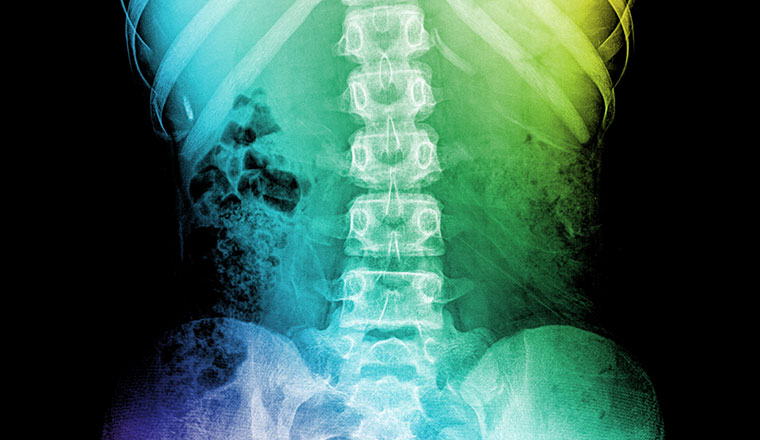
Only a small percentage of people experiencing spinal pain with referred symptoms to the arm or leg require surgery and even less have an underlying serious cause for their symptoms. Therefore, what happens to the remainder of the population experiencing spinal related pain or dysfunction?
Acute spinal pain
Sometimes, however, a person may require early treatment and guidance to help relieve their pain and restore function as quickly as possible. At Future Physio we can support this process. A thorough assessment and explanation of your underlying problem can help optimise your recovery time by reducing any fear you may have in moving due to pain in the early stages.
Persistent spinal pain
At Future Physio, Colin uses his expertise gained over the years, including his current specialist role as Principal Spinal Physiotherapist with NHS Borders, to help identify the key underlying features that are contributing to your ongoing spinal problem. The most appropriate course of action can then be planned, such as restoring efficiency of normal functional movement patterns. It is not uncommon that the very movement behaviours a person adapts in an attempt to protect themselves from feeling pain or discomfort then becomes a central driver to maintaining their ongoing problem.
Future Physio approach
All individuals are unique in terms of their requirements, ability, rate of development or recovery, and personal circumstances. Whilst we make recommendations for your condition we avoid setting requirements for a set number of attendances and will always work towards an exit process to promote your independence and well-being.
What happens when I come to the Borders spinal clinic?
After the initial discussion we perform the physical assessment of your movement systems. A physical assessment typically involves observation of your movements supported by a ‘hands-on’ component to provide additional information. Where possible, we try to closely link these movements to those that you perform during your daily life and with the goals that you hope to achieve. The findings from the discussion and physical assessment then helps us to provide you with an understanding of your problem and offer the most appropriate interventions for your presentation, as outlined above.
How long will it take?
What should I bring and wear?
